Plywood Subfloor Repair in Wilmington, NC
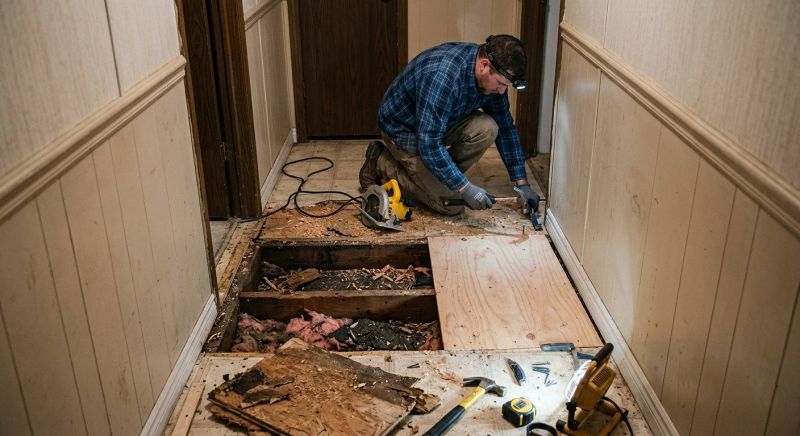
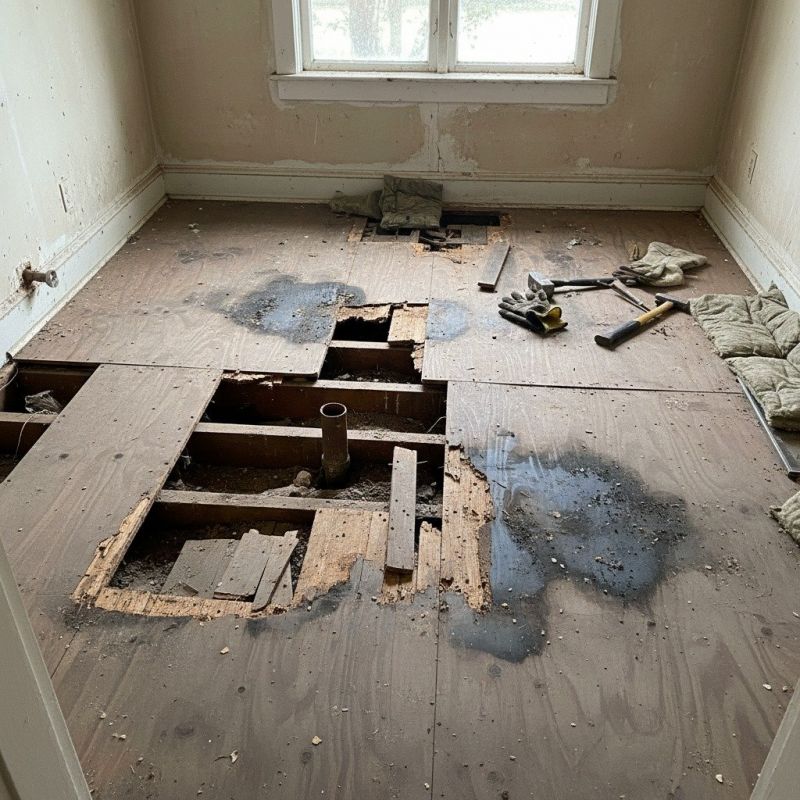
Plywood subfloor repair services address issues related to damaged or weakened subflooring beneath existing flooring surfaces. This service is commonly requested for projects involving water damage, rot, warping, or structural instability in areas such as kitchens, bathrooms, basements, or entire flooring installations. Property owners usually want to understand the extent of damage, the materials involved, and how the repair will restore the stability and safety of the flooring above.
Before requesting plywood subfloor repair, homeowners often seek information about the signs of subfloor problems, such as creaking floors, uneven surfaces, or visible sagging. They also want to know about the process of removing damaged sections, the types of replacement materials used, and how the repair will impact the overall flooring project. Clear understanding of these aspects helps property owners plan for repairs and ensure the longevity of their flooring systems.
Many property owners in Wilmington, NC look into Plywood Subfloor Repair for repairs, replacements, upgrades, and appearance-related improvements.
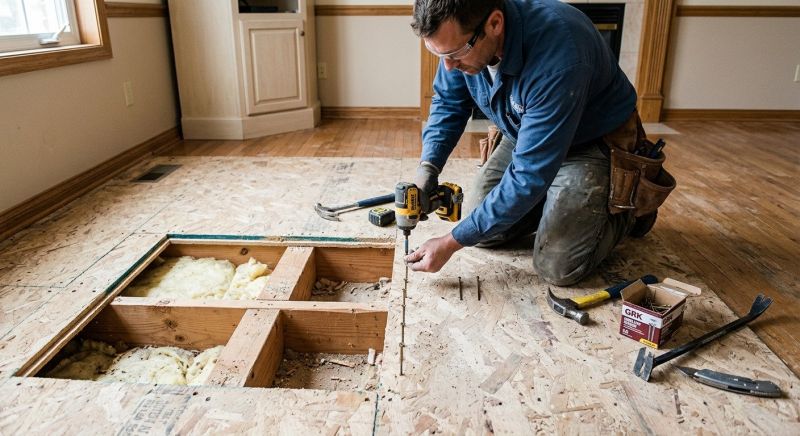
Signs Of Plywood Subfloor Damage
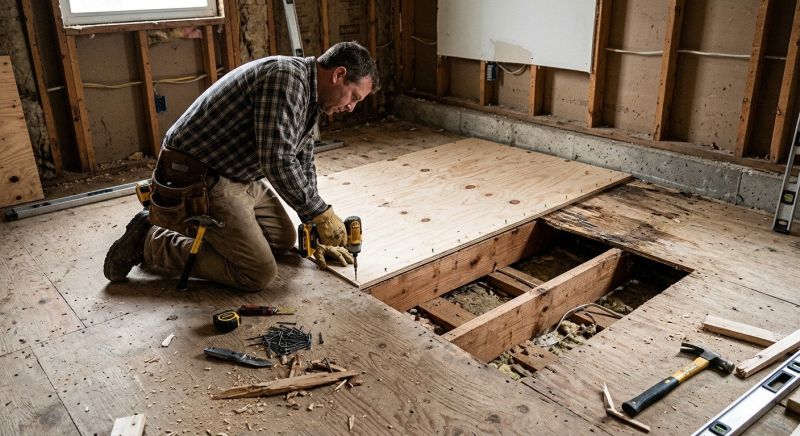
Warped, squeaky, or uneven floors may indicate subfloor issues that need attention.
Common Causes Of Subfloor Problems
Water leaks, excessive moisture, and heavy loads can weaken plywood subfloors over time.
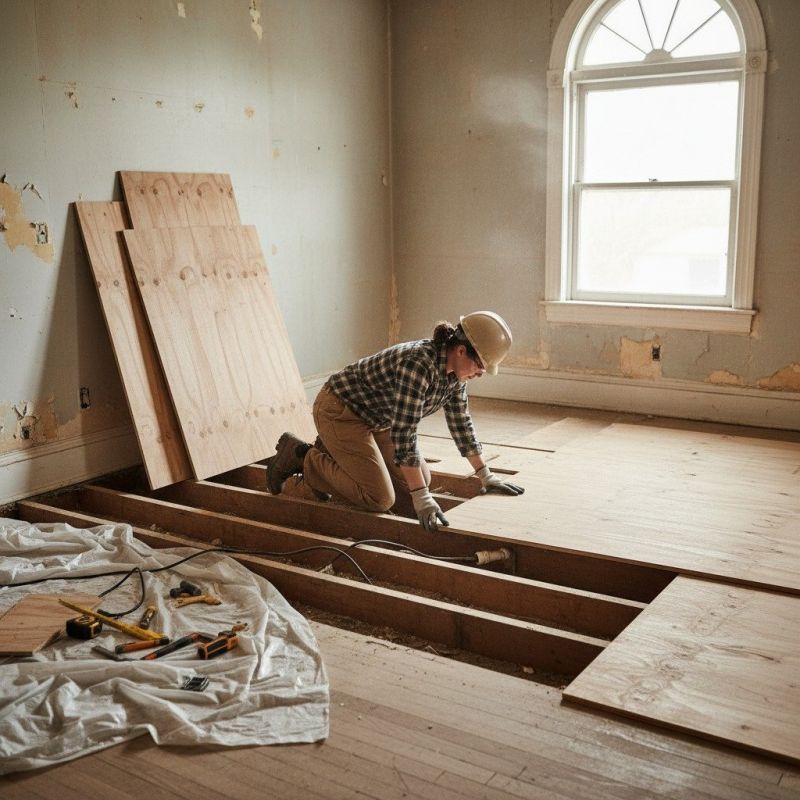
Repair And Replacement Options
Proper repair restores stability and safety for homes in wilmington and nearby areas.
Plywood Subfloor Repair in Wilmington, NC
Plywood subfloor repair services address issues related to damaged or weakened subflooring beneath existing flooring surfaces. This service is commonly requested for projects involving water damage, rot, warping, or structural instability in areas such as kitchens, bathrooms, basements, or entire flooring installations. Property owners usually want to understand the extent of damage, the materials involved, and how the repair will restore the stability and safety of the flooring above.
Before requesting plywood subfloor repair, homeowners often seek information about the signs of subfloor problems, such as creaking floors, uneven surfaces, or visible sagging. They also want to know about the process of removing damaged sections, the types of replacement materials used, and how the repair will impact the overall flooring project. Clear understanding of these aspects helps property owners plan for repairs and ensure the longevity of their flooring systems.
Many property owners in Wilmington, NC look into Plywood Subfloor Repair for repairs, replacements, upgrades, and appearance-related improvements.
Common Plywood Subfloor Repair Jobs
Plywood Subfloor Repair - addresses damaged or rotted plywood to restore a solid foundation.
Water Damage Restoration - replaces or repairs plywood affected by leaks or flooding.
Subfloor Leveling - corrects uneven plywood surfaces to ensure proper flooring installation.
Rot and Mold Removal - removes compromised plywood to prevent structural issues and health hazards.
Crack and Hole Repair - fills and stabilizes damaged areas for a smooth, even subfloor surface.
Subfloor Reinforcement - strengthens weakened plywood to support new flooring and prevent future issues.
Plywood Subfloor Repair Questions
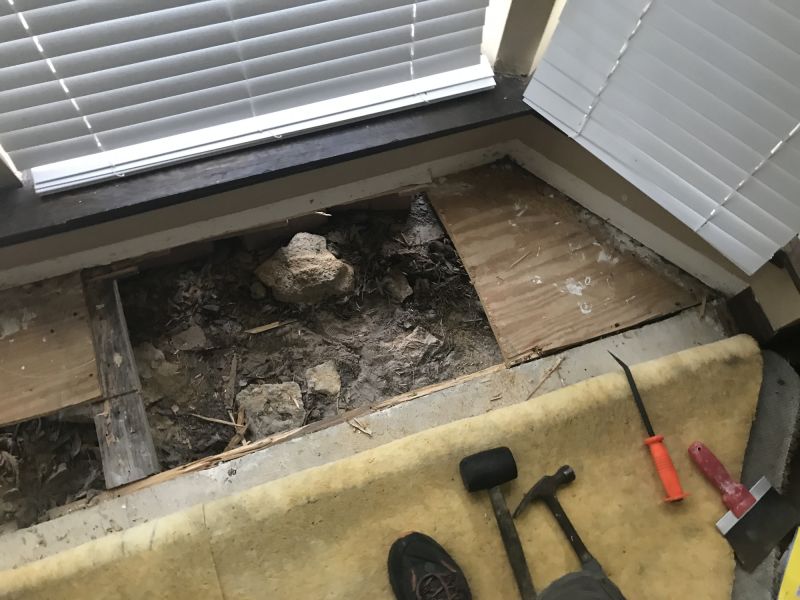
What causes damage to plywood subfloors? Common causes include moisture, water leaks, and heavy loads that lead to warping or rotting.
How can I tell if my subfloor needs repair? Signs include uneven flooring, squeaks, or visible sagging and damage beneath the surface.
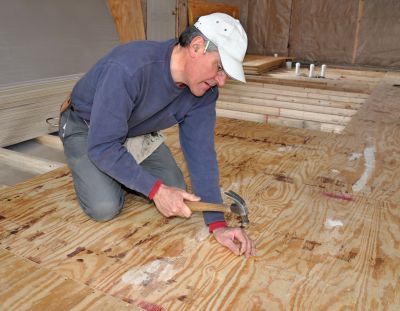
What types of repairs are available for plywood subfloors? Repairs may involve patching damaged areas, replacing sections, or installing a new subfloor layer.
Is plywood subfloor repair necessary before installing new flooring? Yes, ensuring a solid subfloor is essential for proper installation and long-term durability of new flooring.
Request Plywood Subfloor Repair in Wilmington, NC
Use the quote form on this page to share the basics of your project and request more information for the type of work you need.